


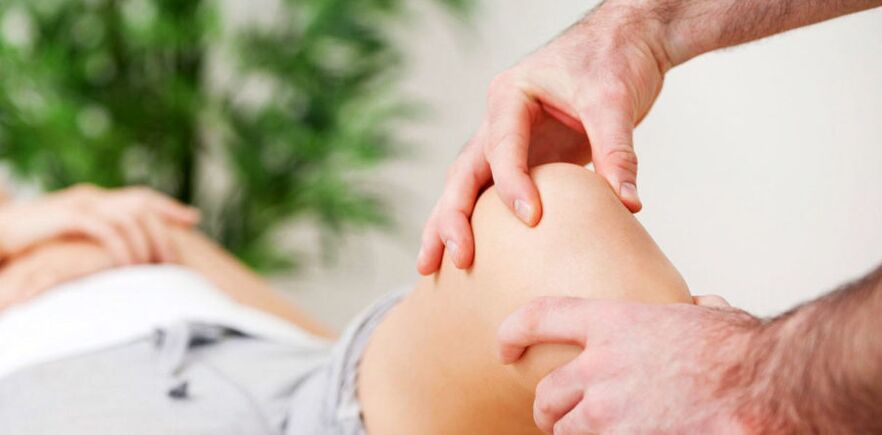
Joint pain is experienced by millions of people around the world.According to official data of the World Health Organization, more than 80% of the population suffers from joint diseases.Environmental deterioration, a sedentary lifestyle, the emergence of new types of infections, the development of genetic diseases - there are many reasons why problems begin.
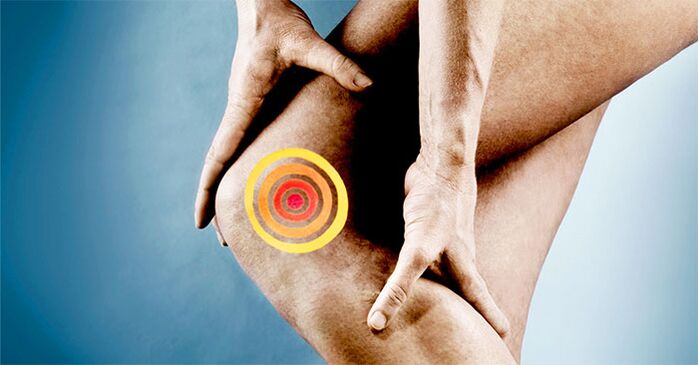
Causes of pain
Joints are movable parts of the skeleton that connect all the bones of the musculoskeletal system.Without them, it is impossible to carry out the most important functions of the body - bending, straightening, rotation, support and movement.
The appearance of pain is a direct sign of a violation of normal functionality.It is important not to ignore alarming symptoms and start treatment on time.
There can be several reasons why the joints hurt:
- Physical inactivity.Technological progress, along with undeniable benefits, encourages sedentary, sedentary work.All basic operations are performed by machines;people only control the processes.This leads to atrophy of muscle tissue.The load increases and manifests itself in the form of arthralgia (from Greek arthron - "joint", algos - "pain").
- Increased physical activity.Occupations associated with constant movement (for example, builders, loaders, salesmen) do not in any way contribute to healthy joints.Serious loads are fraught with injuries and over the years will manifest themselves in pain in the limbs and spine.
- Excess body weight.The necessary amount of oxygen stops flowing in the joints, muscle mass decreases, irreversible changes occur in the cartilage tissues, and as a result, pain appears.
- Environmental conditions.Living in megacities or places with a large concentration of industrial enterprises - wherever there are harmful emissions in the atmosphere - has an adverse effect on health.The risk of getting seriously ill and getting complications increases several times.
- Bad nutrition.Eating foods with a low content of vitamins and trace elements necessary for the body negatively affects the general condition of the body.This immediately affects the mobility of the connecting parts.Discomfort and pain appear.
- Age.The older a person is, the more they suffer from pain.The inevitable wear and tear of the musculoskeletal system leads to diseases that cause complications in the joints.It is worth noting that arthralgia becomes younger every year due to the above reasons.
Types of diseases
Many people suffer from diseases and only a small number go to the doctor.But pain in the joints, as a rule, indicates the presence of some disease.These can be neglected injuries, hidden inflammatory processes.That is why it is so important to contact a rheumatologist or orthopedist for diagnosis and timely treatment.
The classification divides the diseases into inflammatory, metabolic-dystrophic and pathological.Below are the most common joint diseases from each group according to WHO statistics.
Inflammatory diseases
Arthritis is the most common disease characterized by the destruction of cartilage tissue.Due to arthritis, friction occurs between the bones and an inflammatory process occurs.As the disease progresses, mobility is lost, edema and swelling appear.It affects all species, small and large.Often there are genetic causes that are inherited.
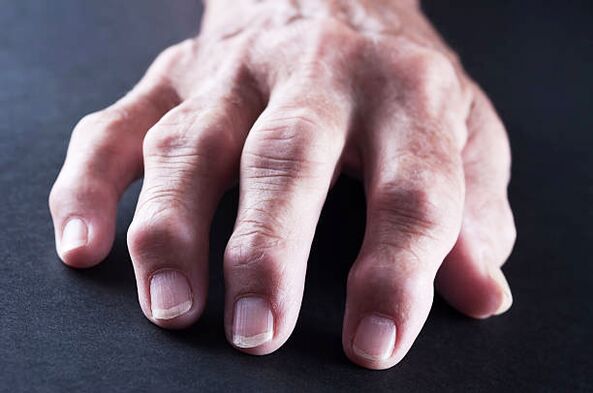
Joint bursitis – the disease affects the shoulder, knee and hip joints.Between the surfaces of the bones, in the cavity of the synovial bursa, excess fluid accumulates.The inflammatory process begins, proceeding with great swelling and unbearable pain.
Metabolic-dystrophic joint diseases
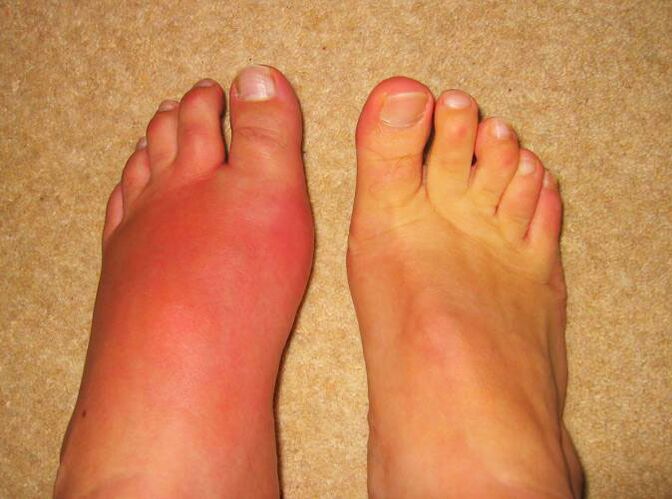
goutAssociated with increased production of uric acid, against the background of impaired renal function.It most often begins with the appearance of pain in the area of the big toes.The disease is characteristic of the elderly and people with specific professions (for example, dancers).Constant wearing of uncomfortable shoes also contributes to the development of the disease.Lovers of high heels should think about it.You should not sacrifice your health for fashion trends.
Arthrosis.Bone deformity due to cartilage tissue disease.Dystrophic processes are accompanied by severe pain.
Necrosis of the joints.Impaired blood flow to the bone.Lack of oxygen and nutrients leads to bone death.The joint suffers first.Pain and stiffness of movements can become signs of an extremely dangerous disease.
Pathologies due to trauma
Mechanical damage to the joint.Therefore, a complication of an unsuccessful fall is most often observed in the knee joints.Less often - in the elbows.Symptoms appear immediately - sharp pain, inability to bend the leg, impaired motor function.
Luxation.Loss of resistance between the head of the bone and the ligaments leads to dislocation.Displacement can be complete or partial.Joint pain is accompanied by fever and swelling in the dislocation area.If you do not seek medical help in time, it can lead to the development of necrosis and damage.
Symptoms of joint pain
One or more diseased joints determine the general condition of the body.Symptoms are very broad and depend on the underlying cause.But there is still a standard set of signs that should prompt immediate medical attention:
- Severe pain in one or more joints.
- The pain occurs at any time of the day and is short-lived.
- Discomfort and stiffness of movement appear only during periods of rest - on vacation or on weekends.
- The pain in the joints is so strong that the person is forced to stop working.
- Appearance of lameness.
- Unreasonable weight loss.
- Increased sweating.
- Body aches.
- Persistent fever.
- skin rashes.
- Morning stiffness, without marked pain.
- Change in gait.
- Muscle pain (myalgia).
- Mild pain in ligaments and tendons.
Even if, in a person's opinion, the symptoms are not significant and do not cause much discomfort, you should consult a doctor.
A preventive examination will help to identify the disease at an early stage and ensure a complete cure.
Disposal methods
- Local preparations - ointments, gels, creams, patches containing anesthetics and anti-inflammatory active substances.
- Steroid injections have a powerful anti-inflammatory effect throughout the body.
- Injections with hyaluronic acid - the thick liquid is one of the components of cartilage, helps to cope with inflammatory processes.
- Physiotherapy is a set of exercises that help maintain muscle tone and build muscle mass around inflamed joints.
- Wear only comfortable shoes - high-quality, soft, flexible shoes will reduce the stress on sore feet.Avoid high heels, narrow shoes and artificial materials.
- Heat and cold - alternating heating pads with hot or cold water relieves spasms, reduces swelling and pain.The change should be quick to prevent overheating or hypothermia.
- Anesthesia of problem areas - injection of anesthetic directly into the painful area.Quickly relieves unbearable pain.
- Nerve-wracking.It is used in cases where there are no positive results after other methods.The procedure is similar to the removal of the dental nerve.It relieves joint pain, but the disease remains.
- Folk medicine - herbs, honey, egg shells, bay leaf and alcohol.There are many recipes for preparing medicinal tinctures and mixtures.They should not be used without consulting your doctor.
- Acupuncture is traditional medicine, only Chinese.Acupuncture sometimes really gives impressive results.But carrying out such procedures requires extensive experience and professionalism.Choosing a specialist can be very long.
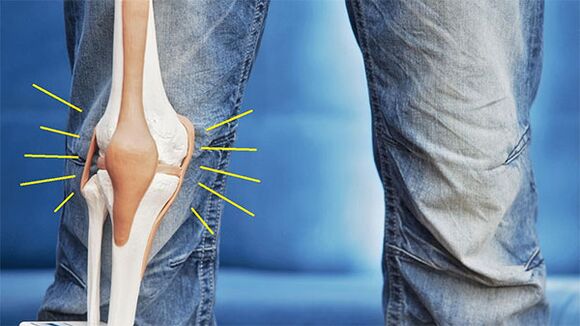
Prevention and treatment
Diseases are treated using the following therapeutic options:
- medicines.Only inflammatory processes and pain syndromes are removed.Without additional techniques, the causes of the disease cannot be eliminated.
- Physiotherapy.Warming, analgesic procedures using medical equipment with different effects.Ultrasound, electrostimulation.
- Physical therapy.The doctor prescribes a set of simple special exercises to stimulate physical activity.
- Manual therapy.A combination of different techniques for active and passive manual pressure on the knees, shoulders, hands, feet, legs, toes, knees or elbows.This technique refers to the official methods of treatment.It is useful both for prevention and for improving the condition of patients.
- Surgical intervention.It is prescribed only in hopeless, advanced cases.It has many contraindications and can cause other diseases.
Only after making a diagnosis and determining the causes, the attending physician prescribes a treatment regimen using one or another technique.
Diseases in most cases are chronic.With proper treatment, the degenerative processes only slow down.
Therefore, diseases are much easier to prevent than to treat:
- Care should be taken to promptly treat any infections.
- The diet should contain a sufficient amount of vitamins, minerals and trace elements.Vitamins A, B5 and B6, C, E, as well as copper, selenium and glucosamine are particularly beneficial for the joints.
- In addition to proper nutrition, maintaining an active lifestyle, possible sports activity and daily walks will help prevent joint diseases.
- Gradual hardening of the body.
Simple steps will help prevent long treatment, severe pain and disruption of your usual lifestyle.
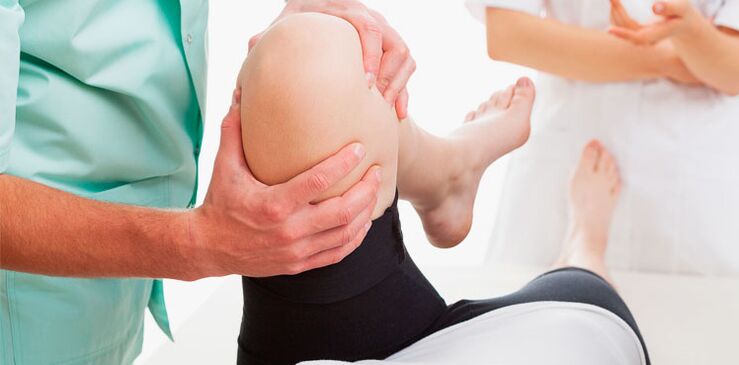
How to forget about joint and back pain
If your joints prevent you from living and moving fully and the most expensive drugs do not help, then you should consult a professional doctor.Treatment on the advice of acquaintances and friends will not give any results at best.At worst - exacerbation of the disease, transition to a chronic form, complete or partial loss of mobility.Before using a "proven" recipe, you should remember that the symptoms may be identical, but the diagnoses may be different.
The following recommendations will help you forget about the pain forever:
- The regimen of joint treatment is prescribed only by a doctor;self-medication can have the most dire consequences.
- Treatment should include several methods - medication, physiotherapy, homeopathy, physical therapy.
- Self-diagnosis is unacceptable.
- Do not steam or rub sore joints.Despite the temporary relief, this can accelerate the process of cartilage tissue destruction.
- Don't do recommended physical therapy exercises through "pain."Feeling comfortable is the key to a quick recovery.
- Even after sustained improvement occurs, do not stop physical therapy.